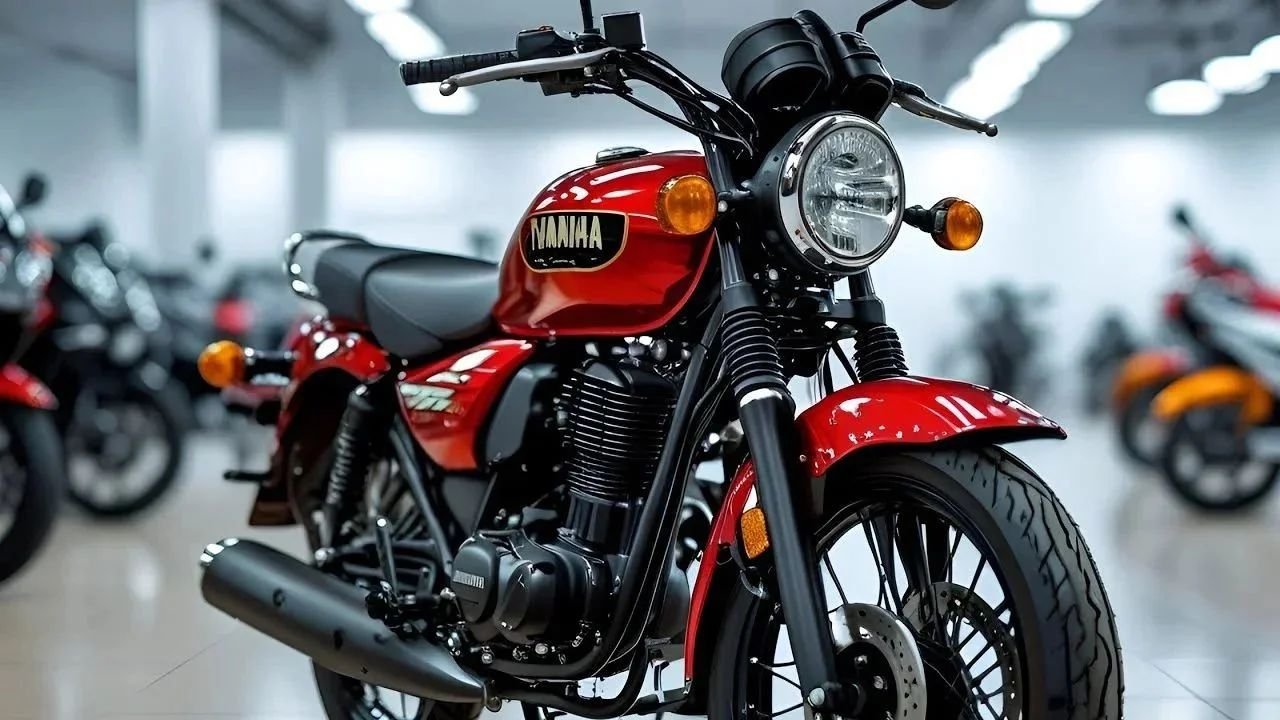

In the dynamic world of motorcycles, where new models are launched every year and older ones fade into obscurity, very few two-wheelers have managed to hold a permanent place in the hearts of Indian riders. Among those rare machines stands a true icon—the Yamaha RX100. Launched in India during the mid-1980s, the Yamaha RX100 quickly achieved legendary status with its thrilling performance, minimalist design, and unmistakable mechanical roar. For an entire generation, it wasn’t just a motorcycle—it was an emotion, a symbol of freedom, and a statement of individuality.
Even decades after its production ceased in 1996, the Yamaha RX100 continues to be remembered fondly. In fact, the nostalgia around this bike has only grown stronger with time, making it one of the most sought-after classics in the Indian two-wheeler market today. In this article, we take a detailed journey into the story of the Yamaha RX100—its specifications, legacy, cultural impact, and whether we can expect a comeback in the near future.
Yamaha RX100 – Key Specifications at a Glance
| Feature | Details |
|---|---|
| Engine | 98cc, air-cooled, 2-stroke |
| Power Output | Approx. 11 HP |
| Transmission | 4-speed manual gearbox |
| Weight | Around 100 kg |
| Top Speed | Nearly 100 km/h |
| Brakes | Front & rear drum brakes |
| Fuel Efficiency | 25–30 km/l (original) / 50 km/l (modern claims) |
| Suspension Setup | Telescopic forks (front), twin shock absorbers (rear) |
| Production Years | 1985–1996 |
| Legacy | Lightweight, powerful, and iconic |
The specifications may look modest by today’s standards, but in its era, the Yamaha RX100 was nothing short of revolutionary.
Why the Yamaha RX100 Was a Game-Changer
When the Yamaha RX100 arrived in India in 1985, the market was dominated by fuel-efficient but uninspiring commuter bikes. Most motorcycles of that era were designed solely for practicality, offering little excitement to riders. The Yamaha RX100 broke this monotony.
With its lively two-stroke engine, it delivered lightning-fast acceleration that was unheard of in the 100cc segment. Riders were amazed at how such a small-capacity bike could pack such explosive performance. Its feather-light body, paired with an instant throttle response, made the Yamaha RX100 feel like a rocket on two wheels. For the youth of that era, this bike was more than just transportation—it was their ticket to adrenaline and adventure.
The Signature Roar: A Sound That Defined an Era
One of the Yamaha RX100’s most memorable features was its distinct exhaust note. The sharp, raspy growl wasn’t just noise—it was an identity. Whether revving through narrow city lanes or tearing down highways, the RX100 made its presence felt with that unmistakable sound.
Before superbikes became a common sight in India, the RX100 gave ordinary riders a sense of power and speed. The bike’s roar became synonymous with rebellion and freedom, making it the choice of countless youngsters who wanted to stand out from the crowd. Even today, restored RX100s continue to turn heads on Indian roads, thanks to their iconic sound.
Lightweight, Nimble, and Fun to Ride
At just around 100 kg, the Yamaha RX100 was incredibly easy to handle. It could weave through dense traffic, take sharp corners with confidence, and still remain comfortable for daily commuting. Its low center of gravity and perfectly balanced chassis made it feel agile and rider-friendly.
The ergonomics were equally impressive. With a comfortable seat, upright riding posture, and intuitive controls, the RX100 was accessible to both beginners and experienced riders. Many Indians remember their very first motorcycle ride being on a Yamaha RX100—and that first thrill often turned into lifelong love.
Also Read – New Maruti Ertiga 2025 – Stylish 7-Seater MPV with Modern Features, Excellent Mileage, and Affordable Price
A Design That Refuses to Age
While modern motorcycles flaunt sharp lines, digital displays, and flashy decals, the Yamaha RX100’s design thrives on simplicity. Its muscular fuel tank, chrome mudguards, round headlamp, and minimalistic bodywork gave it a clean yet powerful stance.
Every part of the RX100 had a purpose—there were no unnecessary plastics or cosmetic add-ons. The focus was on raw metal, polished chrome, and timeless styling. Even today, custom bike builders and restoration experts draw inspiration from the Yamaha RX100’s design, adding modern touches without losing its vintage soul.
Mechanical Purity: Simple Yet Powerful
In an age when motorcycles are loaded with electronics, the Yamaha RX100’s mechanical purity feels refreshing. It had no ABS, fuel injection, or complex gadgetry—just a robust two-stroke engine and a smooth 4-speed gearbox.
Its simplicity made it incredibly reliable and easy to maintain. Owners often learned to fix common issues themselves, making carburetor cleaning, spark plug replacements, and exhaust tuning part of their riding journey. This do-it-yourself bond between the rider and machine is one of the reasons why the Yamaha RX100 enjoys cult status today.
The Cult Following of the Yamaha RX100
Although production stopped in 1996 due to stricter emission norms, the Yamaha RX100 never really disappeared. Instead, it grew into a legend. Across India, numerous workshops now specialize in restoring and modifying RX100s. Online groups, social media pages, and biking communities are filled with enthusiasts proudly sharing their RX100 stories.
Collectors actively search for well-preserved models with original parts, factory paint, and matching numbers. The demand has skyrocketed, with restored Yamaha RX100 bikes selling anywhere between ₹80,000 to ₹1.5 lakh—or even more depending on authenticity. For a motorcycle that originally cost under ₹20,000, this is nothing short of phenomenal.
Yamaha RX100 in Indian Motorsports
The Yamaha RX100 wasn’t just a commuter bike—it made waves in motorsports too. During the late 1980s and early 1990s, it was a star in drag races and amateur racing circuits. With some modifications, its two-stroke engine could easily outperform larger bikes, making it a racer’s delight.
Even today, retro racing events in India often feature modified RX100s, equipped with performance carbs and expansion chambers. The bike’s lightweight build and precise handling give it an edge even decades after its debut.
FAQs About the Yamaha RX100
1. Why was the Yamaha RX100 discontinued?
The bike was discontinued in 1996 because its two-stroke engine couldn’t meet India’s evolving emission norms.
2. Can you still buy a Yamaha RX100 today?
Yes, but only in the pre-owned market. Restored models are available, but they are rare and expensive.
3. Is the Yamaha RX100 practical for daily use today?
Yes, but maintenance is key. Spare parts can be difficult to source, and regular servicing is essential.
4. Why was the Yamaha RX100 considered so fast?
Its quick torque delivery, lightweight design, and two-stroke engine gave it an unmatched power-to-weight ratio.
Will the Yamaha RX100 Make a Comeback?
Over the last few years, rumours of a modern Yamaha RX100 re-launch have surfaced multiple times. Yamaha officials have even hinted at bringing back the iconic nameplate, though in a modern avatar. If the RX100 returns, it will likely be a 4-stroke retro-styled commuter that meets today’s emission norms.
However, recreating the magic of the original Yamaha RX100 won’t be easy. Fans expect the same thrill, raw performance, and simplicity that made the bike legendary. Still, if Yamaha manages to balance nostalgia with modern technology, the RX100 comeback could be one of the most exciting moments in Indian biking history.
Final Thoughts: A Machine That Became a Movement
The Yamaha RX100 was never just another motorcycle—it was a revolution on two wheels. It changed how Indians viewed motorcycles, proving that even a 100cc bike could deliver unmatched excitement. From its thrilling performance to its iconic exhaust note, the RX100 embodied the spirit of raw, unfiltered freedom.
Nearly three decades later, its charm remains untouched. Whether in the garages of collectors, on restoration benches, or in the hearts of biking enthusiasts, the Yamaha RX100 lives on. And if you ever get a chance to ride one, you’ll understand why this motorcycle is not just a machine—but a legend that continues to inspire generations.
Some Important Link
| Download News APP | Click Here |
| WhatsApp Group | Click Here |
| Home Page | Click Here |